
Hebrew or not Hebrew – that is the question!
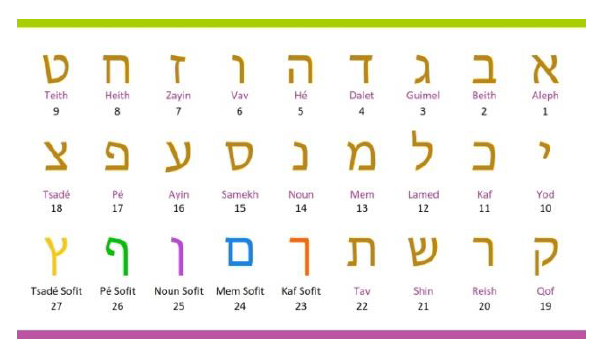
Last year we created a new Shabbat morning prayer book for our community, including full transliteration throughout the service. This has made it much easier for people to join in, whether they read Hebrew fluently, are just beginning to learn, or simply want to participate more fully in the prayers. We are currently working on a similar prayer book for Friday night services, which we hope will bring the same sense of accessibility and shared participation.
Transliteration is often debated in Jewish communities. Some people worry that if everything is written in English letters, fewer people will feel motivated to learn to read Hebrew itself. But in our community, despite introducing more transliteration, we currently have a waiting list of people who would like to learn to read Hebrew.
Learning Hebrew
We are fortunate to have several members who generously give their time to help other members develop their Hebrew reading skills. Even so, the demand is greater than we can currently meet. There are others who would like to help but feel their own Hebrew skills are not quite strong enough for them to teach others without support.
We want everyone in our community who wants to learn to read Hebrew to be able to do so, and we want to make it easier for those that want to support them. So we are developing a set of self-guided “Learn to Read Hebrew” resources that members will be able to use independently or alongside someone with more Hebrew knowledge who can act as a mentor. If you might be interested in becoming a Hebrew mentor, please do get in touch with Rabbi Anna.
Alongside the practical question of learning Hebrew is a broader conversation about language in our services. Should we use a lot of Hebrew, or is it more important that everyone fully understands the words they are saying? As with many things in Jewish life, there are different perspectives.
Personally, I find that praying mostly in Hebrew helps me feel connected to Jewish tradition across time and place. The sounds of the language—and especially the melodies that carry the prayers—resonate deeply and link us with generations who have prayed these same words before us. At the same time, understanding the meaning of the prayers is also important if they are to speak to our hearts and lives today.
Upcoming Learning Circles
That is why this term’s Learning Circle will explore some of the most important Hebrew words in our liturgy and customs. Together we will look at their root meanings and the ideas they carry within Jewish tradition. I hope you will join us as we discover the etymology and theology behind the words that shape our Jewish lives.